Nourishing Nutrition
Understanding the principles of nutrient sufficiency and body weight awareness
Welcome to SimplyNourished
This educational resource explores the fundamental concepts of nourishing nutrition in an informational context. Our goal is to explain how nutrient sufficiency, food variety, and balanced intake support general physiological function, without prescriptive advice or commercialisation.
Educational content only. No promises of outcomes.
What Nourishment Means
Nutrient Sufficiency in Whole Diets
Nourishment refers to the state of receiving adequate nutrients to support body function. This includes macronutrients (proteins, carbohydrates, fats) and micronutrients (vitamins, minerals) that enable cellular processes, energy production, and tissue maintenance.
A nourishing diet typically includes diverse whole foods—vegetables, fruits, grains, legumes, nuts, and protein sources—that together provide the spectrum of nutrients the body requires for daily function.
Variety in Whole Foods
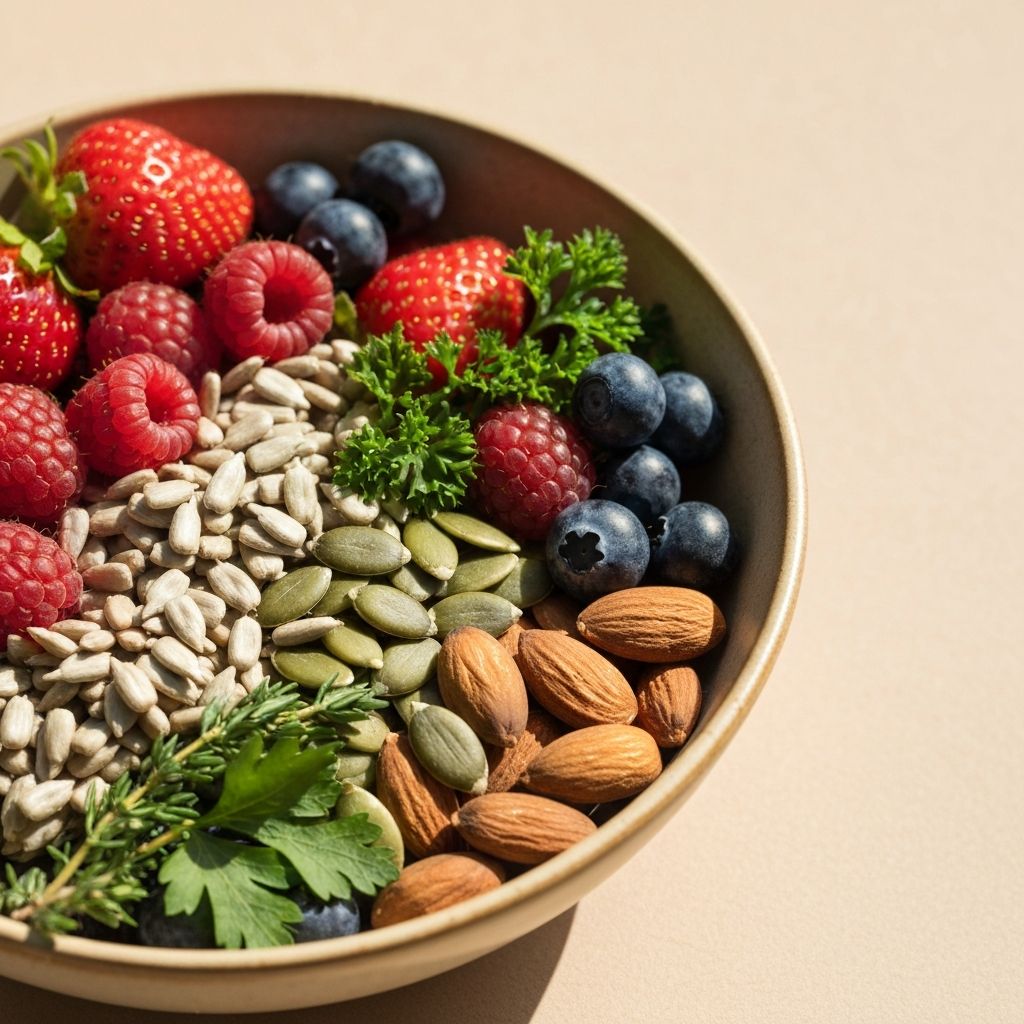
Food diversity is a foundational principle of nutritional completeness. Different foods contain different nutrient profiles, and consuming a wide range supports comprehensive nutritional needs.
Vegetables
Rich in vitamins, minerals, and phytonutrients that support immune function and cellular health
Fruits
Provide fibre, natural sugars, and antioxidants important for digestive and general health
Whole Grains
Supply sustained energy, B vitamins, and fibre essential for metabolic function
Legumes
Offer plant-based proteins, fibre, and minerals crucial for tissue building and maintenance
Nuts & Seeds
Contain healthy fats, proteins, and micronutrients supporting brain and cellular function
Protein Sources
Essential for muscle, bone, and enzyme production needed for all body processes
Nutrient Density Basics
How Food Quality Contributes to Nourishment
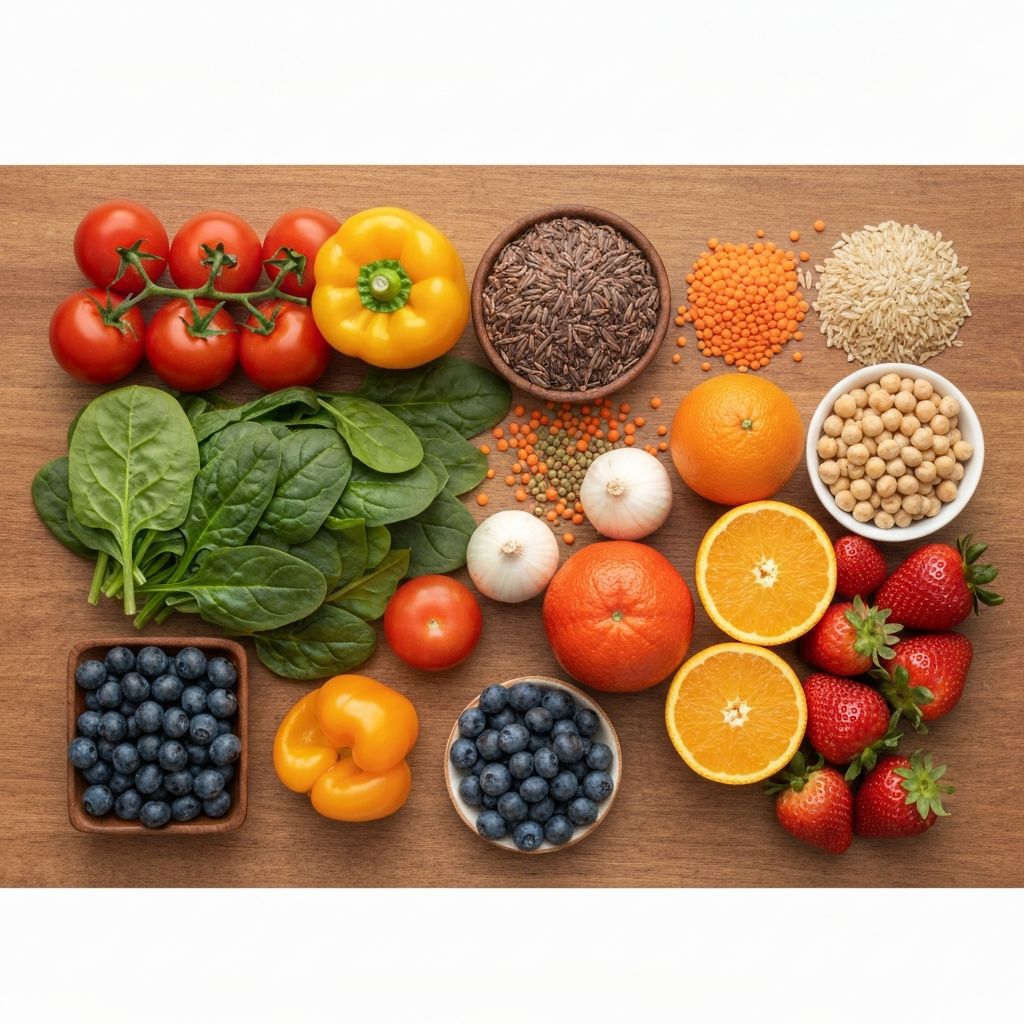
Nutrient density describes how many nutrients a food provides relative to its calories. Whole foods—those minimally processed—are generally nutrient-dense because they retain natural vitamins, minerals, and phytonutrients.
Choosing nutrient-dense foods means maximising nutritional benefit from daily intake. This principle emphasises quality and variety rather than quantity, supporting overall physiological function efficiently.
Examples of nutrient-dense choices include leafy greens, colourful vegetables, legumes, whole grains, and unprocessed protein sources, all of which contain multiple essential nutrients per serving.
Satiety from Balanced Meals
How Nutrient-Rich Foods Influence Fullness Signals
Satiety—the feeling of fullness after eating—is influenced by multiple factors including nutrient composition, fibre content, and meal balance. Nutrient-rich, whole foods tend to promote more stable satiety signals compared to processed alternatives.
Meals combining protein, healthy fats, and complex carbohydrates alongside vegetables naturally support more sustained fullness, contributing to stable energy and general wellbeing.
This reflects how food quality and nutritional completeness work together to support the body's natural regulatory mechanisms.

Everyday Nourishing Patterns
Observational Notes on Population Nutrition
Population studies reveal common patterns in nourishing food choices. Populations with better overall health outcomes tend to emphasise whole foods, plant-based options, regular meals, and water as the primary beverage.
These patterns reflect accessible, practical approaches to daily nutrition that don't require specialist knowledge or expensive ingredients. Simple, traditional eating practices often align with principles of nutritional completeness.
Understanding these patterns provides context for how nutrition functions in real-world settings, where people make everyday choices that collectively support nourishment.

Micronutrient Sources Overview
Natural Sources of Essential Vitamins and Minerals
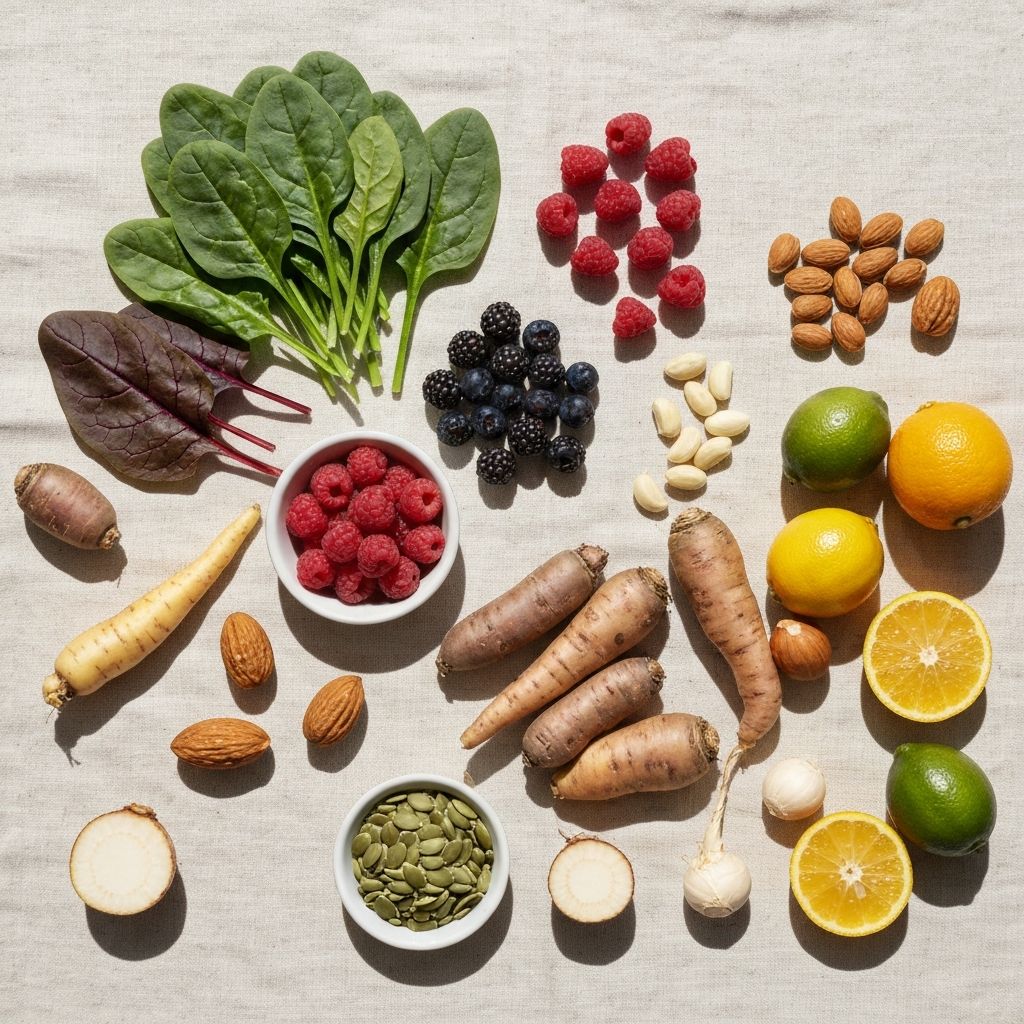
- Iron: Found in leafy greens, legumes, and meat proteins—essential for oxygen transport
- Calcium: Present in dairy, fortified plants, and leafy greens—crucial for bone structure
- Vitamin C: In citrus, berries, and colourful vegetables—supports immunity and collagen
- Vitamin D: From fatty fish, egg yolks, and sunlight—aids calcium absorption and immune health
- Potassium: In fruits, vegetables, and legumes—regulates fluid and nerve function
- Zinc: From nuts, seeds, and proteins—supports wound healing and immune response
- B Vitamins: In whole grains, legumes, and meats—crucial for energy and nervous system function
Featured Reading & Insights
Explore deeper into key topics of nourishing nutrition. Each article provides educational context without prescriptive advice.

Nutrient Density & Food Quality
Understanding which foods provide the most nutritional benefit
Read FurtherVariety & Nutritional Completeness
How diverse foods work together to meet nutritional needs
Read FurtherMicronutrients from Nature
Natural sources and roles of essential vitamins and minerals
Read FurtherNourishment & Energy Awareness
Basic context on how nutrition supports daily energy and function
Read FurtherFrequently Asked Questions
Food is the physical substance we eat, while nutrition refers to the process of obtaining and using nutrients from that food. Nutrition encompasses how nutrients are absorbed, transported, and utilised by the body to support function.
A practical approach is to eat different coloured foods across meals—each colour typically represents different nutrient profiles. Including vegetables, fruits, grains, proteins, and healthy fats throughout the week naturally encourages variety.
A balanced meal generally includes protein (for tissue repair), complex carbohydrates (for energy), healthy fats (for nutrient absorption and satiety), and vegetables or fruits (for micronutrients and fibre).
No. Complex carbohydrates like whole grains and legumes are nutrient-dense and provide sustained energy, while refined carbohydrates are processed and often less nutrient-dense. Whole food sources generally support more stable nutrition.
Fibre is essential for digestive health, blood sugar regulation, and satiety. It's found naturally in vegetables, fruits, legumes, and whole grains, and is one reason whole foods support overall nourishment.
With thoughtful planning, plant-based diets can provide most nutrients. However, some nutrients like B12 and iron bioavailability may require attention to specific food sources or professional guidance tailored to individual needs.
Continue Learning
Nutrition is a complex and deeply personal area. This site provides educational information to help you understand core principles, but individual needs vary greatly.
Educational content only. No promises of outcomes.
Information Limitations & Context
This website provides general educational information only. The content describes nutritional concepts and observes population patterns, but does not constitute:
- Nutritional guidance or dietary recommendations for you personally
- Medical advice or treatment
- Individual nourishment plans or protocols
- Diagnosis or management of any condition
Nutritional needs vary significantly between individuals based on age, activity, health status, and other factors. Any questions about your specific nutrition should be addressed with qualified healthcare professionals.
This site exists to explain concepts and provide context. Your personal nutrition decisions remain entirely your own responsibility.